

Everything a food bank does, in one place.
From the moment food arrives at the dock to the audit trail in next year's 990. Designed around how food banks actually operate, not retrofitted from a generic ERP.
Capture every can, pound, and dollar — without the spreadsheet.
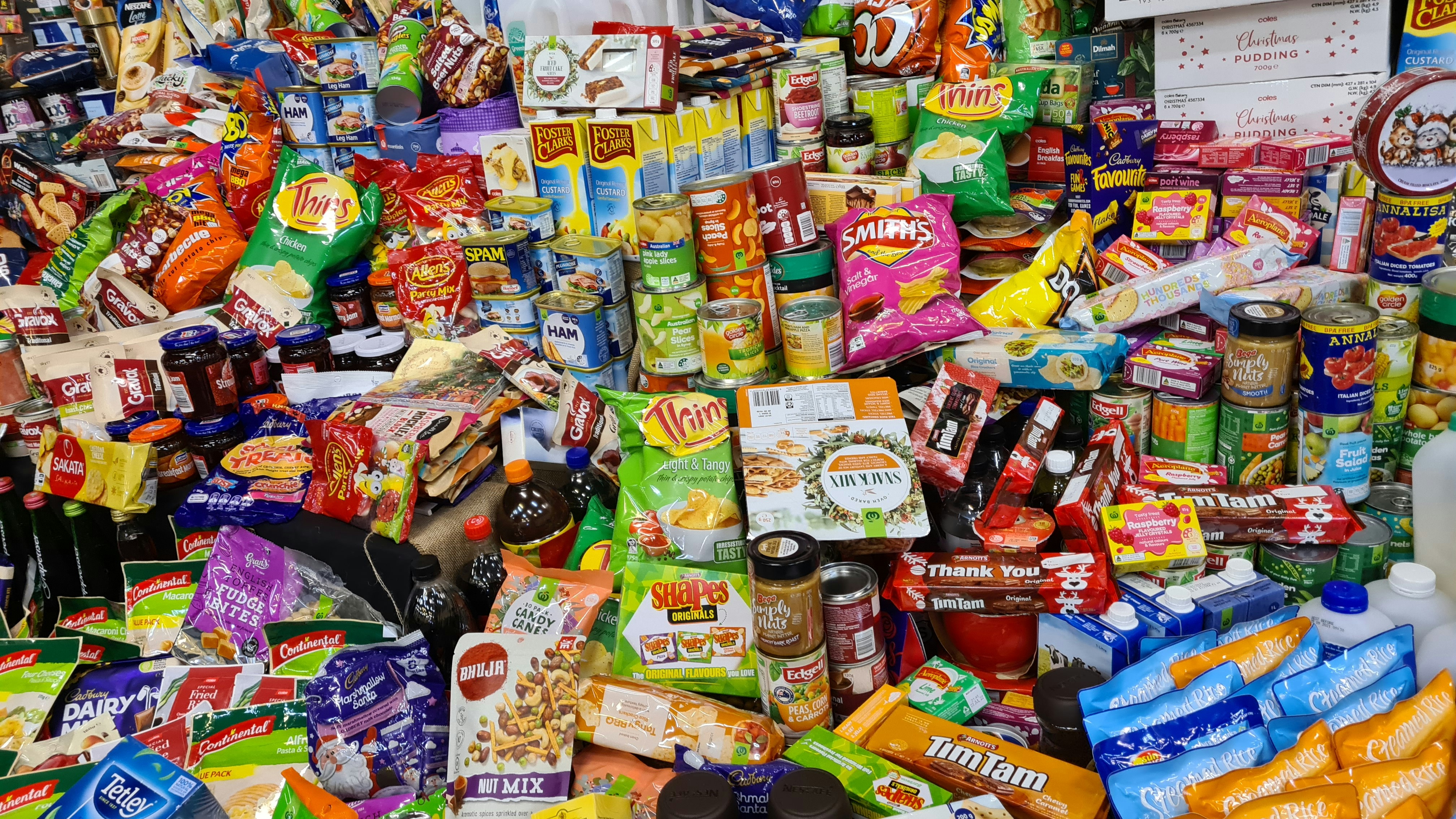
Walk-up donations, retail rescue pickups, USDA TEFAP commodity deliveries, organized food drives, and gleaning runs all flow through one receiving screen. Each line becomes a tracked lot — with expiration date, temperature zone, source, and fair market value — and posts a balanced GL entry the second you click "post."
- One screen for in-kind food, cash, and government commodities
- Per-line lot creation with expiry, FMV, and storage location
- Automatic GL: debit Inventory at FMV, credit In-Kind Contribution Revenue — no manual journals
- Donor records carry tax-deductibility status for year-end receipts
- Pounds-distributed totals roll up for Feeding America reporting automatically
Know exactly what's on every shelf — and when it expires.
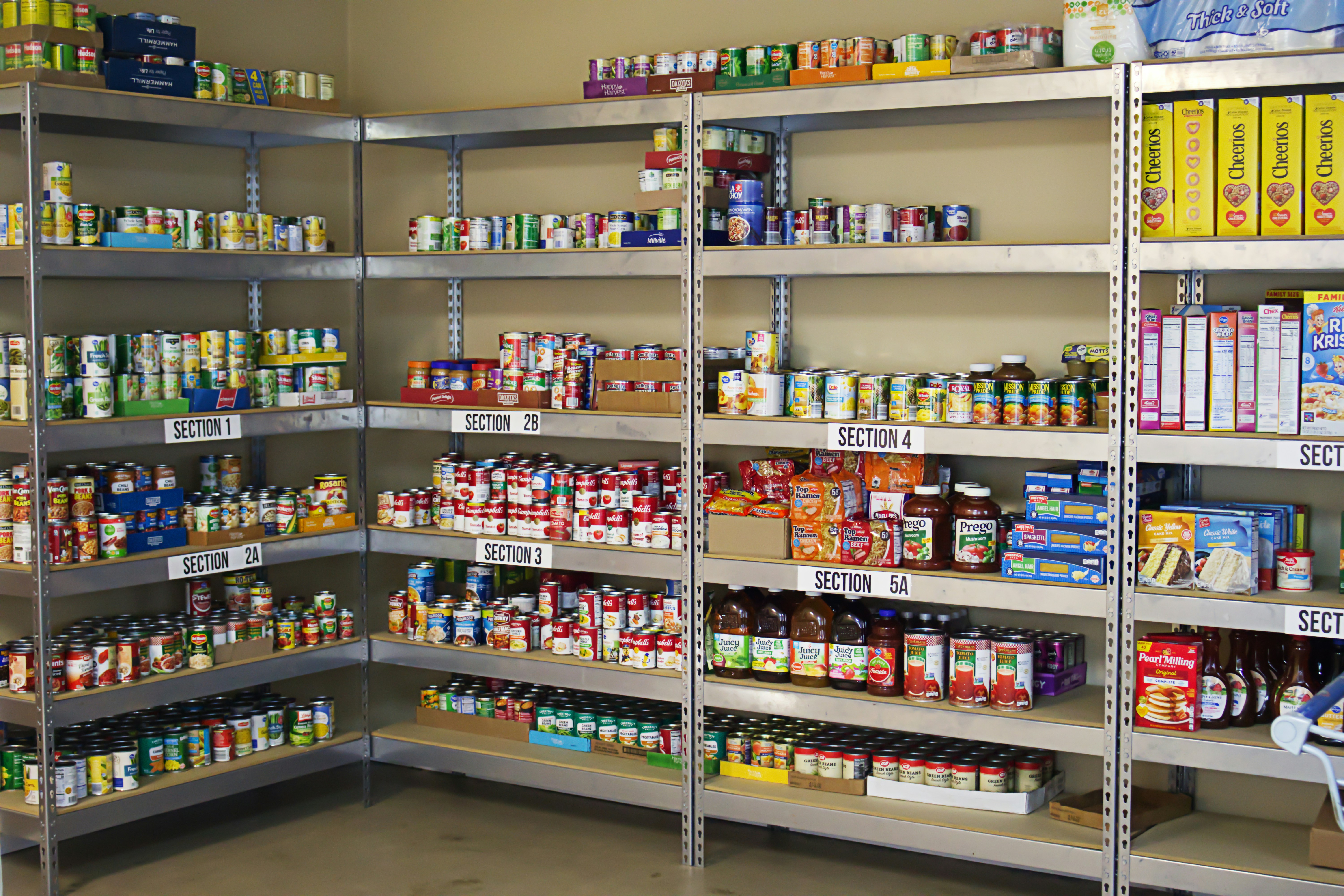
Every lot you receive carries an expiration date, a temperature zone (dry, cooler, freezer, produce), a source provenance, and a fair-market value at receipt. Browse inventory by warehouse and watch the FEFO order at a glance — oldest-expiring lots float to the top.
- Temperature zones enforced at the storage-location level — no putting frozen product in dry storage
- Source provenance tracked through every transaction (donated / TEFAP / CSFP / purchased / gleaned)
- Filtered indexes mean FEFO lookups stay fast even with millions of lots in history
- Expired-lot highlights flag what to write off before the auditor finds it
- Every quantity movement is recorded as an
InventoryTransaction— full audit trail per lot
Partner agency orders fulfilled FEFO, automatically.
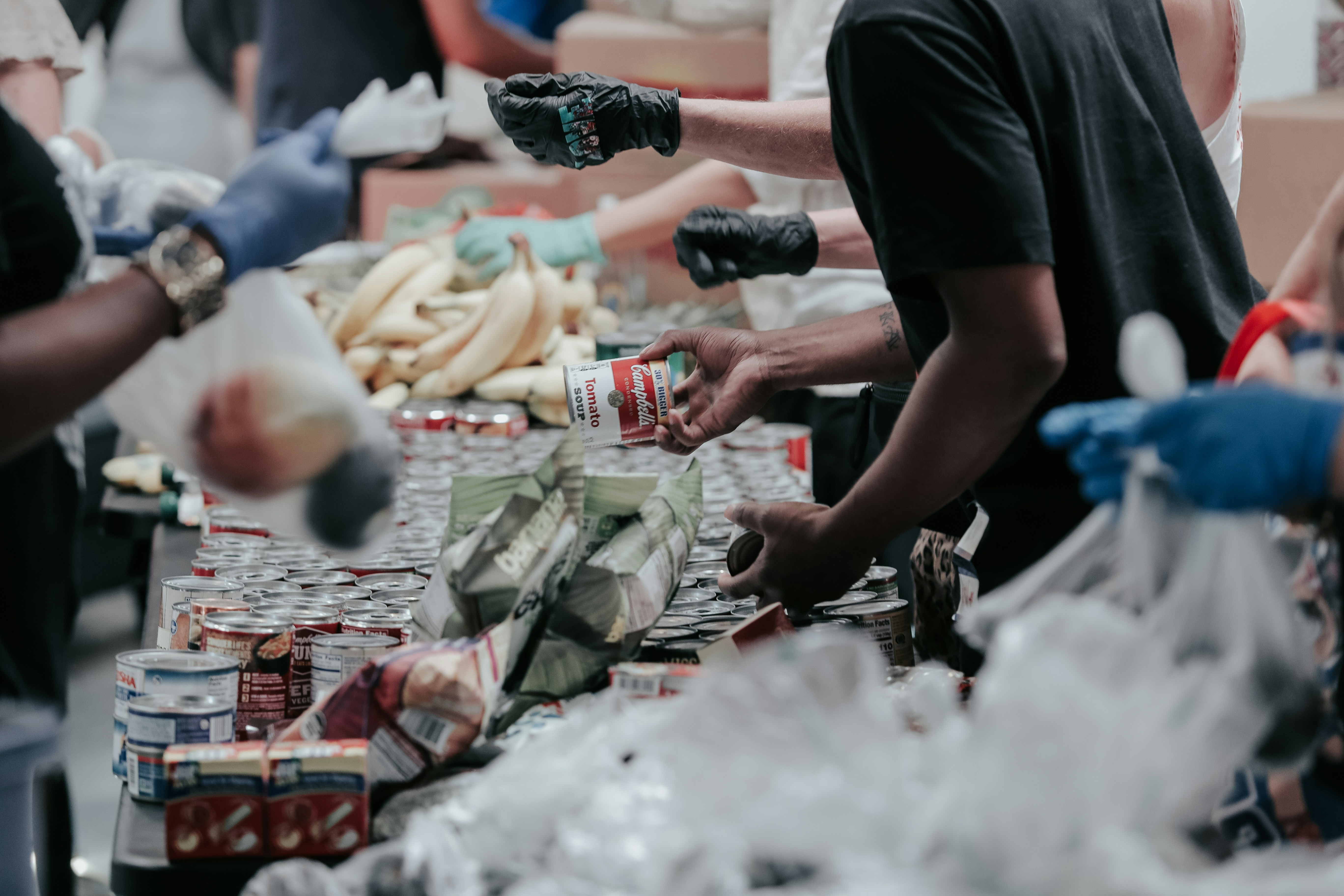
Pantries, soup kitchens, shelters, and senior programs all order through one workflow. When you fulfill, the system allocates lots by First-Expiry-First-Out across the warehouse, posts a balanced GL entry, and rolls the pounds up into your distribution reports.
- Agency profiles carry storage capability (refrigeration, freezer) — gate which products they can receive
- MOU expiry tracking so you never distribute to an out-of-compliance partner
- FEFO allocation across multiple lots when no single lot satisfies the line
- Partial fulfillment when inventory is short — system tells you exactly what didn't ship
- Automatic GL: debit Cost of Food Distributed, credit Inventory at carrying value

A GL that speaks 501(c)(3), not generic ERP.
The chart of accounts ships with food-bank-specific lines like In-Kind Contribution Revenue, Cost of Food Distributed, and separate Net Asset categories for donor-restricted vs unrestricted funds. Every donation receipt, order fulfillment, and write-off becomes a balanced journal entry automatically — no monthly manual close ritual.
- Default chart of accounts seeded for every new food bank with the right nonprofit categories
- Financial periods with locking — close FY 2025 and audit-trail anything that tries to backdate
- Journal entries balance-checked at post; non-balanced entries are rejected, not silently corrected
- Every GL line traces back to the donation, order, or adjustment that created it
- Concurrency-safe entry numbering — no duplicate JE numbers under load

Run one pantry or a regional network — same system.
Inventory, donation receipts, agency orders, and storage locations all scope cleanly per warehouse. A multi-site food bank can let each location run its own day-to-day while finance rolls up everything against a single GL. Warehouse switcher in the nav makes it one click to context-switch.
- Tenant-isolated AND warehouse-isolated — staff only see the site they're working at
- Inter-warehouse transfers tracked as inventory movements with full audit history
- Single GL across all sites, so consolidated reporting needs no extra work
- Mobile-pantry depots and satellite branches modeled the same way as the main warehouse
The reports your auditor and your network already ask for.
TEFAP commodities are tracked separately from end to end so the USDA reconciliation never requires a spreadsheet export. Feeding America-style pounds-distributed by food category falls out of the inventory data model directly. IRS Form 990 categories are baked into the chart of accounts.
- TEFAP source provenance preserved on every lot and distribution
- Pounds-distributed reporting by food category, agency, and program
- Form 990 functional-expense categories pre-mapped on the default CoA
- Restricted vs unrestricted net asset tracking for donor-restricted gifts
- Year-end donor tax receipts roll up by donor and tax-deductibility status
Wire your donor portal, agency app, or scanner — no scraping.
Every workflow in the UI is also a REST endpoint. Build an agency self-service ordering portal, a donor-facing tax-receipt page, or a warehouse barcode scanner without screen-scraping
or weekly CSV exports. OpenAPI docs ship at /api/docs.
- OpenAPI spec auto-published at
/api/docs/v1.json - API-key authentication for backend integrations
- JWT bearer authentication for mobile apps
- Same authorization model as the UI — tenant-scoped by default, no leakage between food banks

Ready to see it with your data?
A tailored walkthrough using donations, agencies, and reports that look like yours.
Request a demo